
Root Canal Treatment: Everything You Need to Know
Save Your Natural Tooth with Modern Root Canal Treatment
When people hear the words “root canal,” they often think of pain and discomfort. However, modern Root Canal Treatment (RCT) is a safe, effective, and virtually painless procedure that helps save severely damaged or infected teeth while eliminating pain and restoring oral health.
At Prime Care Dental Clinic, we use advanced techniques and modern equipment to ensure a comfortable root canal experience for our patients.
What Is a Root Canal Treatment?
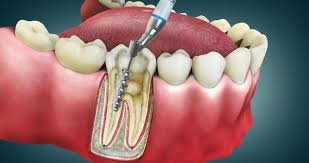
A root canal treatment is a dental procedure used to remove infected or damaged pulp from inside a tooth. The pulp contains nerves, blood vessels, and connective tissues that help the tooth develop. When the pulp becomes infected due to deep decay, cracks, trauma, or repeated dental procedures, it can cause severe pain and lead to tooth loss if left untreated.
During the procedure, the infected pulp is removed, the root canals are cleaned and disinfected, and the tooth is sealed to prevent future infection.
Signs You May Need a Root Canal
You may require root canal treatment if you experience:
- Persistent toothache or severe dental pain
- Sensitivity to hot or cold foods and beverages
- Swollen or tender gums around a tooth
- Pain while chewing or biting
- Tooth discoloration or darkening
- Pus formation near the affected tooth
- A chipped or cracked tooth with pain
If you notice any of these symptoms, it is important to seek professional dental care as soon as possible.
Common Causes of Tooth Infection
Several factors can lead to pulp infection, including:
Deep Tooth Decay
Untreated cavities can gradually reach the inner pulp, causing infection and inflammation.
Dental Trauma
A cracked, fractured, or injured tooth can expose the pulp to bacteria.
Repeated Dental Procedures
Multiple treatments on the same tooth can weaken and irritate the pulp.
Gum Disease
Advanced periodontal disease may affect the supporting structures of the tooth and contribute to infection.
The Root Canal Procedure
Step 1: Examination and Diagnosis
Your dentist examines the tooth and may take digital X-rays to determine the extent of the infection.
Step 2: Local Anesthesia
The affected area is numbed to ensure a comfortable and pain-free procedure.
Step 3: Removal of Infected Pulp
A small opening is created in the tooth, and the infected pulp is carefully removed.
Step 4: Cleaning and Shaping
The root canals are cleaned, disinfected, and shaped to prepare them for filling.
Step 5: Filling and Sealing
The canals are filled with a biocompatible material and sealed to prevent reinfection.
Step 6: Crown Placement
In many cases, a dental crown is placed to restore strength, function, and appearance.
Is Root Canal Treatment Painful?
One of the biggest myths about root canal treatment is that it is painful. Modern dentistry and advanced anesthesia techniques have made root canal procedures as comfortable as getting a routine filling. In fact, root canal treatment relieves pain caused by infection rather than causing it.
Benefits of Root Canal Treatment
Saves Your Natural Tooth
Preserving your natural tooth helps maintain proper chewing function and jaw alignment.
Eliminates Pain and Infection
The procedure removes the source of infection and provides long-term relief.
Prevents Tooth Extraction
Root canal treatment helps avoid tooth loss and the need for replacement options.
Restores Normal Function
Patients can eat, speak, and smile confidently after treatment.
Protects Surrounding Teeth
Removing infection prevents it from spreading to neighboring teeth and tissues.
Aftercare Tips Following Root Canal Treatment
To ensure successful healing:
- Avoid chewing on the treated tooth until restoration is complete.
- Maintain excellent oral hygiene.
- Brush and floss regularly.
- Attend follow-up appointments.
- Avoid hard foods immediately after treatment.
- Wear a mouthguard if you grind your teeth.
Root Canal vs Tooth Extraction
Many patients wonder whether extraction is a better option than root canal treatment. In most cases, saving your natural tooth is the preferred solution because it maintains your bite, appearance, and oral health. Tooth extraction often requires additional procedures such as implants, bridges, or dentures to replace the missing tooth.
Frequently Asked Questions
How long does a root canal take?
Most root canal procedures can be completed in one or two visits, depending on the complexity of the case.
How successful is root canal treatment?
Root canal treatment has a very high success rate and can preserve a tooth for many years or even a lifetime with proper care.
Can I eat after a root canal?
Yes, but it is recommended to wait until the numbness wears off and avoid hard foods until the tooth is fully restored.
Conclusion
Root canal treatment is one of the most effective ways to save an infected tooth and restore oral health. With modern dental technology and expert care, the procedure is comfortable, efficient, and highly successful.
If you are experiencing tooth pain, sensitivity, or signs of infection, don’t delay treatment. Early intervention can save your natural tooth and prevent more serious dental problems.
Book Your Consultation Today
At Prime Care Dental Clinic, Jabalpur, our experienced dental team is dedicated to providing comfortable and effective root canal treatment using advanced techniques and personalized care. Let us help you restore your smile and protect your oral health for years to come.